VEN is not for profit. Every dollar goes towards our work in supporting local ecosystems and communities.

Coral Reefs: The Living Cities Beneath the Sea
.jpeg)
When we picture coral reefs, we often think of bright colors, tropical waters, and postcard-perfect diving spots. But coral reefs are far more than beautiful underwater scenery they are living, breathing ecosystems built by tiny animals working together over centuries.
These remarkable systems are among the most important and most fragile environments on our planet.
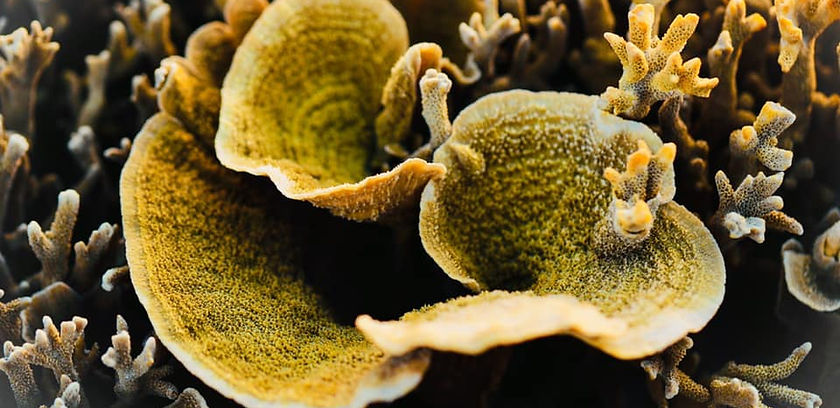
.
Although reefs cover less than 1% of the ocean floor, they support about 25% of all marine species. Fish, sea turtles, crustaceans, and countless other organisms rely on reefs for food, shelter, and breeding grounds. This makes coral reefs some of the most biodiverse ecosystems on Earth.

Reefs also function as connected communities. When stressed or injured, some corals release chemical signals that nearby corals can detect, triggering defensive responses. In a way, reefs “communicate” to survive.
Coral reefs are just as important for people. They protect coastlines by absorbing wave energy and reducing erosion, and they support fisheries that feed millions worldwide.

However, corals are extremely sensitive to rising temperatures, pollution, and ocean acidification. Protecting coral reefs means protecting marine life, coastal communities, and the future health of our oceans.